Everyone knows about Okinawa. Fair enough — the water's ridiculous, the islands are beautiful, and the flights are getting cheaper every year. But if you want to know where Japanese surfers go when they want the real thing, where you can have an entire Pacific beach to yourself on a Tuesday afternoon, and where the fish on your plate was swimming that same morning — that's Kochi.
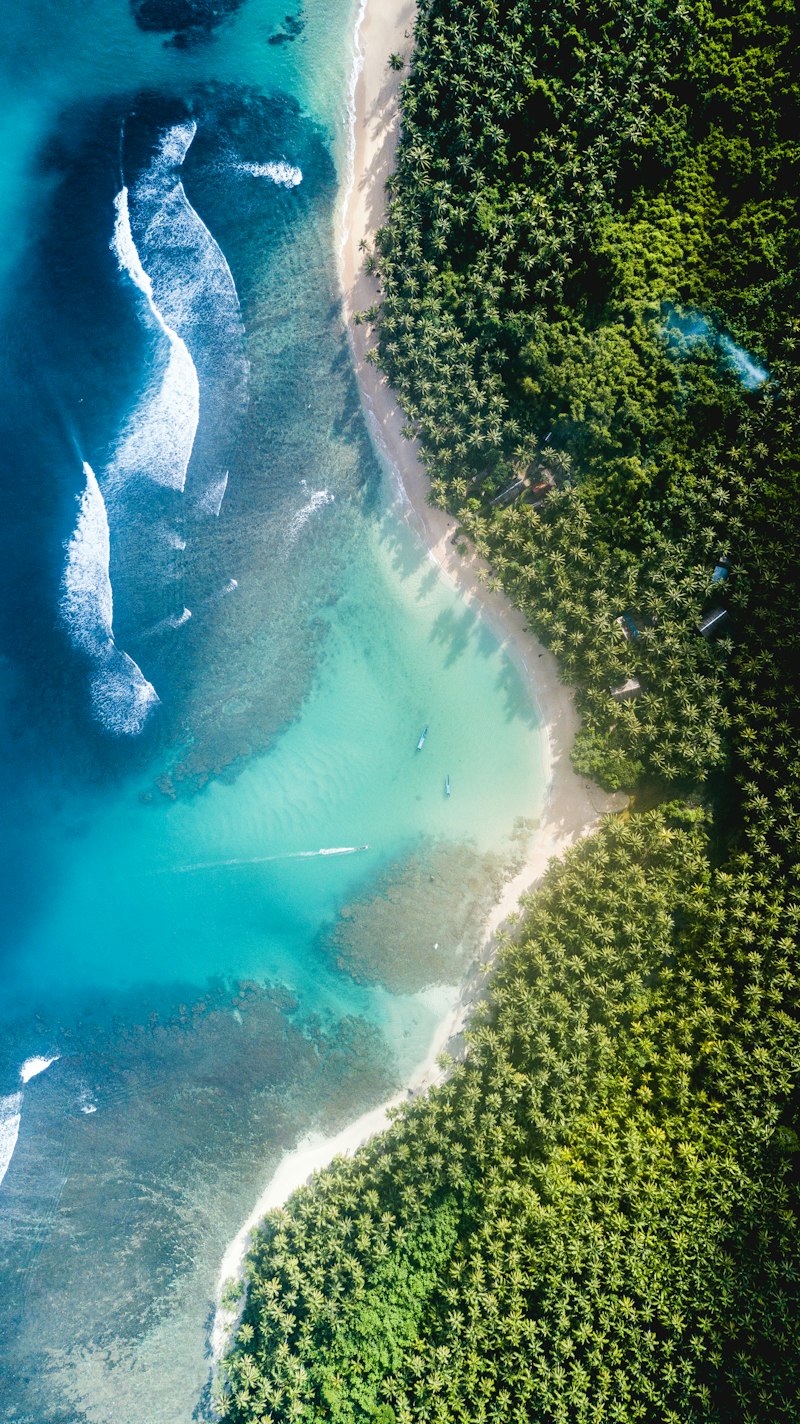
The Coast That Forgot to Get Crowded
Kochi Prefecture occupies the southern half of Shikoku, the smallest and least visited of Japan's four main islands. Its Pacific coastline stretches over 700 kilometers, and most of it sees a fraction of the tourists that mob Kamakura or Enoshima on any given weekend. The reason is partly logistical — Shikoku requires a deliberate journey — and partly cultural. Kochi has always done things its own way, and that includes not particularly caring whether outsiders show up.
This attitude, frankly, is what makes it great. The beaches aren't curated for Instagram. The surf shops aren't lifestyle brands. The locals aren't performing hospitality — they're just living their lives, and if you happen to be there, well, pull up a chair.
Katsurahama Beach: The Iconic One
Let's start with the postcard. Katsurahama is a crescent of sand backed by pine trees, with a massive statue of Sakamoto Ryoma — Kochi's favorite samurai-revolutionary — gazing out to sea. The waves here are strong and the swimming is officially prohibited, but that's not the point. Katsurahama is for walking, for thinking, and for eating the katsuo no tataki (seared bonito) served at the restaurants lining the approach.
The bonito in Kochi isn't like bonito anywhere else. It's caught in the Pacific currents right offshore, lightly seared over a straw fire until the outside is charred and the inside is almost raw, then sliced and served with ponzu, garlic, and spring onions. It's the kind of dish that makes you rearrange your entire trip to come back for more.
Ikumi Beach: Where the Surfers Live
Drive east from Kochi City along Route 55 and eventually you'll hit Ikumi — a wide, sandy beach that's the center of Shikoku's surf culture. The waves here are consistent year-round, the break is forgiving enough for beginners, and the vibe is unpretentious in a way that surf spots in Chiba and Shonan have long since lost.

Several surf schools operate right on the beach, and a two-hour lesson including board rental will set you back about ¥6,000. If you already know what you're doing, board rental alone is around ¥3,000 for a half day. The best swells come in from September through November, when typhoon-generated waves wrap around the Pacific coast and deliver clean, long rides.
Getting Off the Beaten Track
Here's where it gets interesting. Beyond the named beaches, Kochi's coastline is a patchwork of unnamed coves, river mouths, and rocky points that only locals and dedicated surfers know about. Ask at any surf shop in the area and you'll get directions (probably hand-drawn on a napkin) to spots with names that don't appear on any map.
The Muroto Peninsula, at the eastern edge of Kochi, is particularly wild. Designated a UNESCO Global Geopark, its uplifted coral reefs and dramatic sea cliffs feel like something from another era — because geologically, they are. The lighthouse at Muroto Misaki is one of those places where you can literally feel the Pacific's power, with waves detonating against the rocks below.
The Food Scene (Because It Matters)
Kochi's food deserves its own article, but here's the short version: you will eat well, and you will spend less than you expect. Beyond the bonito, look for:
- Shimanto River eel — grilled over charcoal, sweet and smoky
- Inaka soba — hearty buckwheat noodles served in the countryside style
- Dekopon and yuzu — Kochi grows some of Japan's best citrus
- Tosa sake — the local brew pairs perfectly with seared fish
Practical Information
- Getting there: Fly to Kochi Ryoma Airport from Tokyo Haneda (75 min) or take the express train from Okayama via the Seto-Ohashi Bridge (2.5 hours)
- Getting around: A rental car is essential — public transport along the coast is limited
- Best season: May–June for calm weather; September–November for surf and clear skies
- Budget tip: Minshuku (family-run guesthouses) along the coast offer incredible value — often under ¥8,000/night with breakfast and dinner included
Kochi doesn't try to impress you. It just is what it is — wild, honest, and quietly extraordinary. The kind of place that reminds you why you started traveling in the first place.
Final Thoughts
Japan's Pacific coast south of Kochi isn't a beach destination in the way that Okinawa or Phuket is. There are no beach clubs, no cocktail menus, no fire dancers at sunset. What there is, instead, is something increasingly rare: a coastline that still belongs to the people who live there. The beaches are clean because the locals keep them that way, the fish is fresh because the boats go out every morning, and the waves are uncrowded because not enough people know about them yet.
Go before that changes. And when you do, don't tell too many people. That's part of the deal.