Izu Peninsula is what happens when a volcanic landmass gets battered by the Pacific for a few million years. The result is a coastline of extraordinary variety — sheer cliffs, hidden coves, white sand beaches, rocky tide pools, and a suspension bridge that will test your comfort with heights. It's close enough to Tokyo for a day trip but rewards a longer stay, and its dual coastline (east facing Sagami Bay, south and west facing the open Pacific) means you can almost always find a sheltered spot regardless of wind direction.
Jogasaki Coast: The Suspension Bridge That Stops Hearts
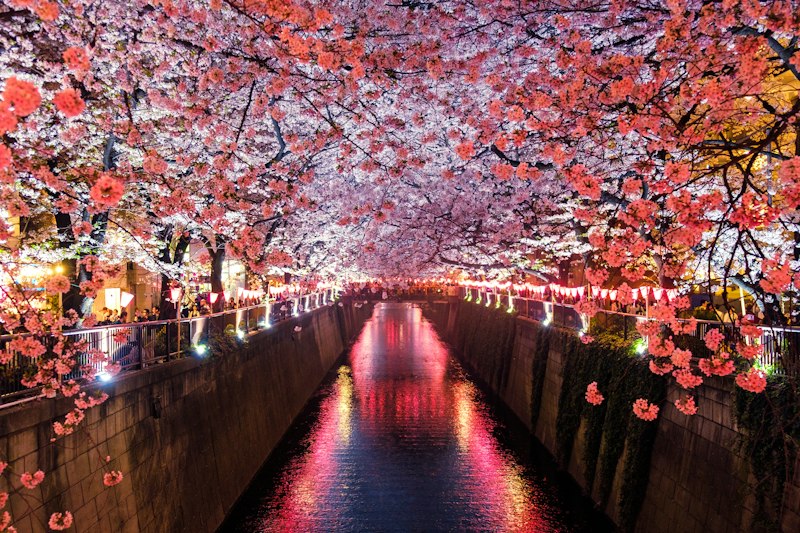
Let's get the adrenaline out of the way first. The Jogasaki Coast, on Izu's eastern side, is a 9-kilometer stretch of rhyolite cliffs formed by volcanic eruptions roughly 4,000 years ago. The cliffs drop 20–30 meters straight into the churning Pacific, and a well-maintained hiking trail runs along the clifftop with views that range from "impressive" to "I need to sit down."
The centerpiece is the Kadowaki Suspension Bridge — a 48-meter span that sways gently (or not so gently, depending on the wind) above the roiling sea. Crossing it takes about 30 seconds if you walk, or about five minutes if you're the type who grips the handrails and shuffles. Either way, the view from the center — straight down into the turquoise water crashing against the rocks — is one of the most vivid coastal experiences in Japan.
The Beaches
Izu Kogen Area
The eastern coast around Izu Kogen has several small, family-friendly beaches. Imaihama is the most popular — a crescent of sand backed by pine trees, with gentle waves and full facilities in summer. It's a 10-minute walk from Izu-Kogen Station, making it one of the most accessible beaches on the peninsula.
Shimoda Area
The southern coast, around the historic port town of Shimoda, has Izu's best swimming beaches. Sotoura Beach is a wide, sandy stretch with clear water and reliable swimming conditions. Nabeta Beach, just around the point, is smaller and more sheltered — popular with families and snorkelers.
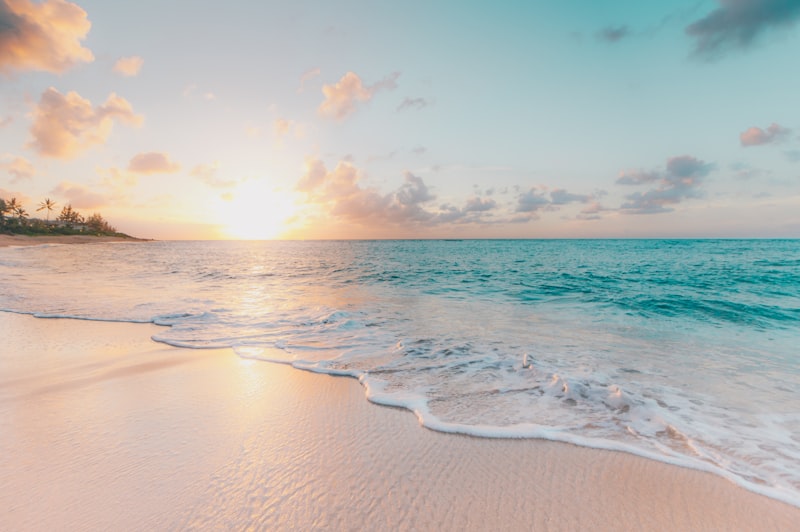
But the real prize is Shirahama Beach (not to be confused with the one in Wakayama). Izu's Shirahama is a 700-meter stretch of white sand with the clearest water on the peninsula. On a calm day, the snorkeling here rivals spots much further south. The beach is backed by a handful of low-key restaurants and surf shops, and the vibe is refreshingly unhurried.
West Coast: Toi and Suruga Bay
The west coast faces Suruga Bay and has a different character entirely — calmer, more introspective, with views across the water to Mount Fuji on clear days. The beaches here are smaller and less visited. Toi Beach, near the historic gold mine, has a resort feel, while the stretch of coast north toward Numazu is dotted with tiny coves accessible only on foot.
Snorkeling and Diving
Izu Peninsula is one of Japan's most accessible diving destinations, and the snorkeling is genuinely world-class at the right spots. The Izu Oceanic Park (IOP) on the east coast is the most organized dive site, with facilities, equipment rental, and guided dives. For snorkelers, the waters around Futo and Ogawa on the east coast offer shallow reefs with good visibility from June through October.
Water temperatures range from about 14°C in winter to 26°C in summer. A 3mm wetsuit is adequate for summer snorkeling; divers will want 5mm in the cooler months.
The Food
Izu's food scene reflects its coastal and volcanic nature:
- Kinmedai (splendid alfonsino): Izu's signature fish, served as sashimi, in nabe, or simmered in a sweet soy glaze. The local boats pull them up from deep water, and the flesh is rich and buttery.
- Shirasu (whitebait): Available raw or boiled, piled over rice in a donburi that's a regional staple
- Wasabi: Izu's mountain streams produce some of Japan's best — visit a wasabi farm to see the cultivation process and taste it freshly grated
- Toko-ya senbei: Local rice crackers grilled on hot stones — a simple, satisfying snack
Practical Information
- Getting there: Odoriko limited express from Tokyo to Shimoda (2.5 hours); Shinkansen to Atami, then local trains (2 hours total)
- Getting around: A car opens up the peninsula; buses exist but are infrequent. The Izu Free Kippu (¥2,500/day) gives unlimited local train and bus rides.
- Best time: June–September for beach and snorkeling; October–November for hiking and fewer crowds; January–February for plum blossoms and hot springs
- Budget: Moderate. Minshuku from ¥7,000/night; hotels ¥10,000–¥20,000
Izu is the peninsula that keeps giving. Every cove you round reveals another possibility — a beach, a cliff, a fishing village, a hot spring. It's Japan's coast in miniature, and it fits perfectly into a weekend.
Final Thoughts
If you only have time for one coastal destination within striking distance of Tokyo, make it Izu. Not because it's the most spectacular — it's not, not when Okinawa exists — but because it's the most complete. Volcanic geology, white sand, clear water for snorkeling, cliffs for hiking, onsen for recovering, historic port towns for wandering, and a food scene that punches above its weight. All within two and a half hours of Tokyo Station. The peninsula isn't hiding its best bits; it's laid them out along 130 kilometers of coastline and dared you to see them all. You won't, not in one trip. But you'll see enough to know you'll be back.