Fukuoka is one of those cities that quietly has it all — incredible ramen, a vibrant nightlife district in Nakasu, the ancient ruins of Dazaifu a train ride away — and yet most visitors never make it to the coastline west of the city. That's their loss. Itoshima Peninsula stretches like a lazy arm into the Genkai Sea, and it's exactly the kind of place that makes you reconsider whether you need to be in a city at all.
The Beaches: Nogita, Keya, and the Space In Between
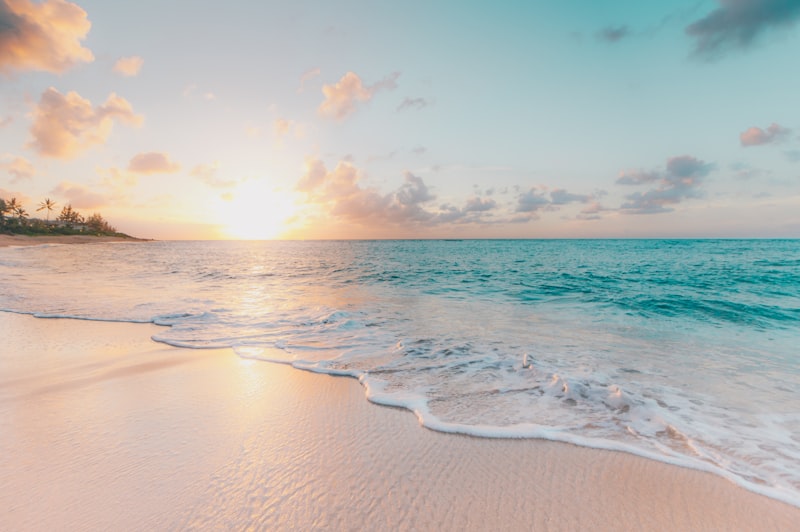
Itoshima's beaches are not going to blow you away with tropical water clarity. This is the Genkai Sea — it's rougher, cooler, and more honest than the East China Sea on the other side of Kyushu. But what these beaches lack in turquoise perfection, they make up for in character.
Nogita Beach is the surfing beach. A consistent break, a handful of die-hard local surfers, and a few beachside cafes that serve coffee strong enough to wake the dead. On a winter morning, when the offshore wind is howling and the waves are overhead, Nogita is as real as surfing gets in Japan.
Keya Beach, a few kilometers west, is the swimming beach. It's calmer, shallower, and more family-friendly. In summer, a row of beach houses opens up with cold drinks, shaved ice, and rental umbrellas. The water is swimmable from late June through early September, though it never gets truly warm — expect around 25°C at peak.
The Oyster Huts: Itoshima's Defining Experience
If Itoshima has a single must-do, it's the kaki-goya (oyster huts). From roughly November through March, temporary restaurants open along the coast, serving all-you-can-eat oysters grilled over charcoal at your table. The price? About ¥2,000–¥3,500 for 60–90 minutes of unlimited oysters. You shuck them yourself, grill them until they pop open, and eat them standing up, with the sea breeze in your face and charcoal smoke in your hair.
It's not elegant. It's not refined. It's one of the best dining experiences in all of Kyushu.
Most oyster huts also serve other seafood — scallops, squid, prawns — at additional cost. Bring cash, bring an appetite, and don't wear your nicest clothes. Oyster juice is not forgiving.
What Else to Do in Itoshima
- Sakurai Futamigaura: A pair of married rocks (meoto-iwa) connected by a sacred shimenawa rope, with a white torii gate standing in the sea. At sunset, it's one of the most photographed spots in all of Kyushu — and for good reason.
- Itoshima wineries: Several small wineries have popped up in recent years, taking advantage of the peninsula's microclimate. Tastings are casual and inexpensive.
- Palate Itoshima: A cluster of renovated farm buildings turned into cafes, bakeries, and craft shops. It's the kind of place where you buy handmade ceramics you don't need but absolutely want.
- Shiraito Falls: A graceful waterfall just inland, accessible via a short walk from the parking area. Not coastal, but the fresh water is a nice change of pace after a day in the salt air.
Practical Information
- Getting there: 30 minutes by car from Fukuoka City; JR Chikuhi Line connects Hakata to Chikuzen-Maebari station (40 min)
- Getting around: A car makes everything easier, but the JR line plus bicycles can work for the motivated
- Best time: November–March for oyster season; July–August for beach season; April–May for cherry blossoms and pleasant hiking
- Budget: Oyster huts ~¥3,000 per person; day trip from Fukuoka very doable under ¥8,000 total
Itoshima doesn't try to be a destination. It's just a peninsula where people grow things, catch things, and grill things over charcoal. And somehow, that's exactly enough.
Final Thoughts
Itoshima is the antidote to overplanning. You don't need an itinerary. You need a car, an empty stomach, and a willingness to follow the coastline wherever it goes. The beaches aren't world-class, the surf isn't legendary, and the sunsets — well, the sunsets actually are world-class, especially at Sakurai Futamigaura with those married rocks silhouetted against the sky. But what makes Itoshima special isn't any single thing. It's the cumulative effect of a place that hasn't tried too hard, that still feels like somewhere people actually live rather than somewhere designed for visitors. Go for the oysters. Stay for the silence on the beach at dusk. Leave knowing you found something real.