I'm going to say something that might get me in trouble with the Okinawa Main Island tourism board: Ishigaki is better. There. I said it. And I'll stand by it, because Ishigaki has something the main island doesn't — a wildness that hasn't been paved over. The mountains here are covered in subtropical jungle so thick you can hear it breathing at night. The ocean comes in shades of blue that shouldn't exist in nature but somehow do. And the pace of life is set to something between "slow" and "barely moving," which is exactly how island time should work.
Kabira Bay: The Postcard That's Actually Real
Every island has its money shot, and Kabira Bay is Ishigaki's. The bay's water is a shade of blue-green that looks filtered even when you're standing right there, and the small islands dotted across it create a landscape that feels designed rather than natural. Glass-bottom boats operate daily, giving you a view of the coral and fish below without getting wet.
Here's the thing most guides won't tell you: you can't swim in Kabira Bay. It's a protected area, and the pearl farming operations (Kabira is one of Japan's few black pearl cultivation sites) mean that access is restricted. But that's fine. Kabira Bay is for looking at, for photographing, for sitting beside. The swimming happens elsewhere.
Diving with Manta Rays at Manta Point
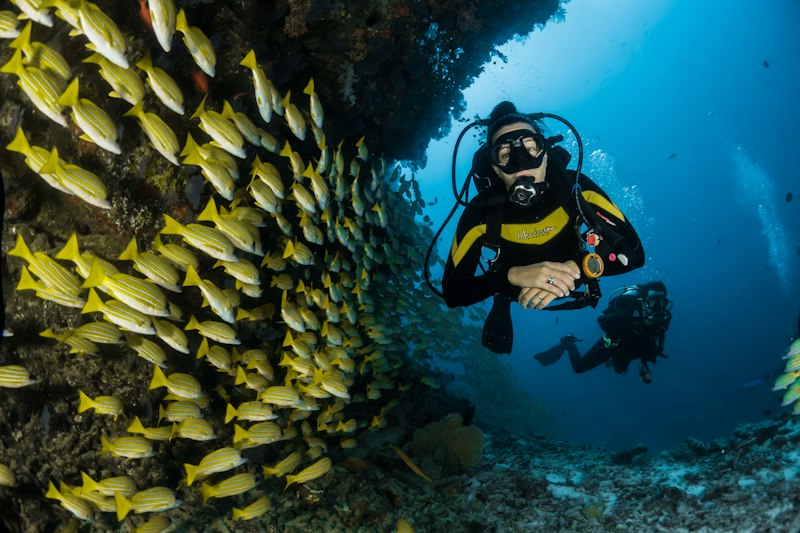
This is the reason many divers come to Ishigaki. Manta Point, off the island's southeast coast, is a cleaning station where oceanic manta rays — some with wingspans exceeding four meters — come to have parasites removed by small fish. Divers descend to about 15 meters and simply wait, hovering near the sandy bottom, while the mantas circle overhead.
There's no guarantee you'll see one on any given dive. But when a manta appears — gliding out of the blue with a grace that makes everything else underwater seem clumsy — it's the kind of experience that reorganizes your priorities. Suddenly, email doesn't seem so urgent.
Several dive shops in Ishigaki City offer Manta Point excursions. A two-tank dive with equipment rental runs about ¥15,000–¥20,000. Most operators require at least an Open Water certification, though some offer introductory dives for beginners at shallower sites.
The Beaches You Should Actually Swim At
Yonehara Beach
The best snorkeling beach on the island, period. The reef starts just a few meters from shore, and the variety of coral and fish is remarkable. Sea turtles are commonly spotted here. There are no facilities on the beach itself, so bring water and whatever you need. The lack of development is part of the charm.
Sunset Beach
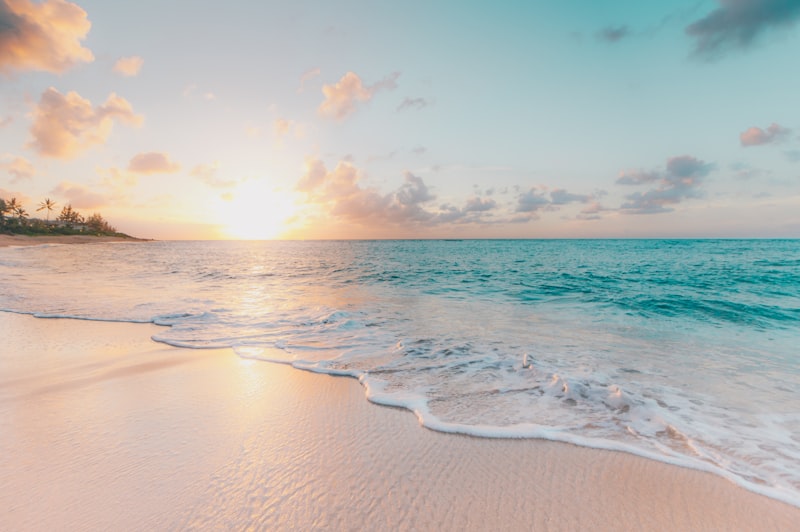
As the name suggests, this is where you come in the evening. The beach faces west and offers unobstructed sunset views with the silhouette of Iriomote Island on the horizon. A few beach bars set up during peak season with cold drinks and plastic chairs — nothing fancy, and that's the whole point.
Fusaki Beach
Attached to a resort but accessible to the public, Fusaki has the best facilities of any beach on the island. It's a good choice if you're traveling with kids or just want a hassle-free beach day with showers, food, and rentals available.
The Food
Ishigaki's food scene punches well above its weight for an island of 50,000 people. The signature dish is Ishigaki beef — Wagyu cattle raised on the island's grasslands — which shows up on menus as steak, yakiniku, and even in curry. It's expensive but worth it.
For something more everyday, seek out the island's Yaeyama soba — a lighter, clearer broth than Okinawa's main-island version, topped with tender pork ribs and fish cake. And don't leave without trying the local distilled spirit, awamori. It's strong (typically 30–43% ABV), served on the rocks or with water, and has a depth that comes from aging in clay pots. Some awamori on Ishigaki has been aging for decades.
Practical Information
- Flights: Direct flights from Tokyo Haneda (3.5 hours), Osaka Kansai (2.5 hours), and Naha (1 hour)
- Getting around: Rental car is essential. Expect ¥5,000–¥7,000/day
- Best time: April–June and October–November for the best combination of weather and prices
- Typhoon season: July–September can bring disruptions; check forecasts and have flexible plans
- Budget: Ishigaki is not cheap. Expect ¥10,000–¥15,000/night for a decent hotel; meals ¥1,500–¥4,000
Ishigaki doesn't ask you to love it. It just exists — wildly, beautifully, on its own terms. And somewhere between the jungle and that impossible ocean, you realize you do.
Final Thoughts
Ishigaki is the kind of place that ruins other beaches for you. After you've snorkeled at Yonehara or watched the sunset at Sunset Beach (the name is on the nose but accurate), going back to a chlorinated resort pool feels like watching a nature documentary in black and white. The island isn't polished, it isn't cheap, and it certainly isn't convenient. But that's the entire argument for going. Ishigaki is the real thing — a subtropical island that hasn't been turned into a theme park version of itself. Go while it's still that way.