Amami Oshima doesn't fit neatly into any category. It's too tropical to be Kyushu, too Japanese to be Okinawa, and too wild to be either. The island sits roughly equidistant between Kagoshima and Naha, and that in-betweenness defines everything about it — the food, the music, the language, and most of all, the landscape. Amami is its own thing, and it has no interest in being anything else.
The Mangrove Forests: Paddling Through Another World
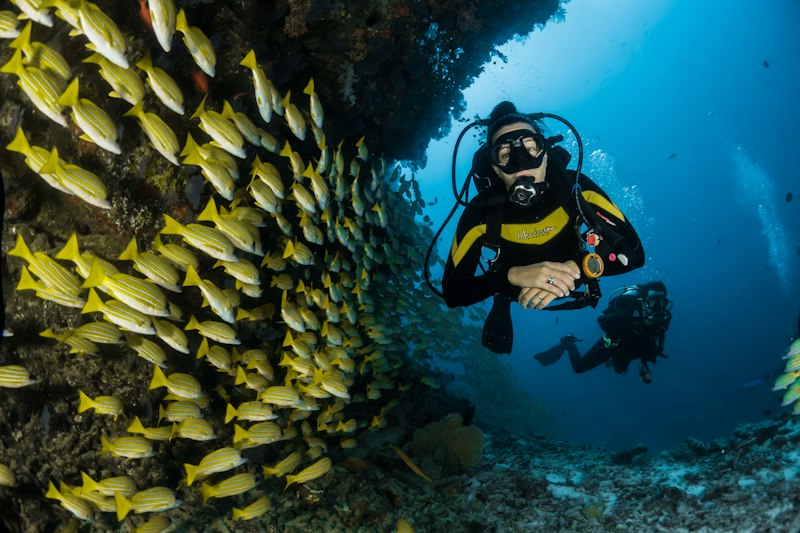
Amami Oshima has Japan's second-largest mangrove forest (after Iriomote), and kayaking through it is the island's signature experience. The mangroves line the mouths of several rivers on the east coast, creating a labyrinth of waterways where the boundary between land and sea blurs into irrelevance. At high tide, you paddle through tunnels of green; at low tide, the roots are exposed and fiddler crabs scatter at your approach.
Guided kayak tours run from around ¥5,000 for a two-hour paddle. Most depart from the Sumiyo area, and the guides — often local Amami people who grew up in these mangroves — have an intimate knowledge of the ecosystem that no guidebook can match.
The Beaches
Ayamaru Misaki
This isn't a swimming beach — it's a viewpoint. The cape overlooks a bay where the ocean shifts between three distinct shades of blue, separated by invisible reef lines. The effect is like looking at a color gradient designed by someone with an unreasonable imagination. There's a small cafe at the viewpoint that serves iced coffee and the best sweet potato tart you'll find outside of a bakery.
Kurasaki Beach
White sand, clear water, and a coral reef within swimming distance. Kurasaki is Amami's answer to the Okinawan beaches further south, and it holds its own. The reef is healthy, with good fish variety, and the beach is rarely crowded. Facilities are minimal — bring your own everything.
Ohama Beach
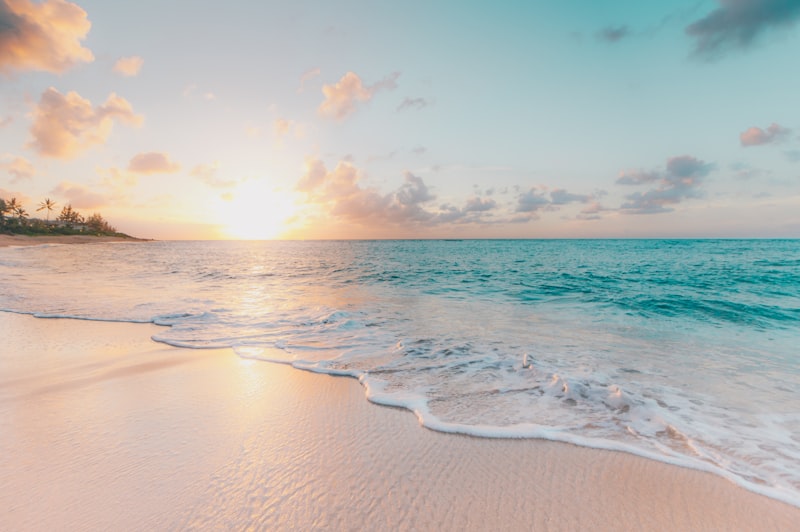
Right in Amami City, Ohama is the town beach. It's not pristine, and the water isn't Caribbean-clear, but it's where the locals go after work, and it has a lived-in charm that the more remote beaches lack. The sunset views across the strait toward Kakeromajima are lovely, and the beachside izakayas that open in summer serve outstanding local seafood.
Amami's Unique Culture
Amami's music deserves special mention. The island has its own folk tradition — shimauta — that blends Japanese and Ryukyuan musical elements into something haunting and beautiful. Local bars in Amami City sometimes host live shimauta performances, and if you're lucky enough to stumble into one, stay. The music, combined with the local shochu (Amami produces exceptional brown sugar shochu, the only place in Japan legally allowed to do so), creates an evening you won't forget.
The island's textile tradition is also remarkable. Oshima tsumugi is a silk fabric with patterns so intricate they can take months to weave. The dyeing process uses the bark of the local yeddo hawthorn tree and mud from Amami's iron-rich soil, producing a deep, lustrous black. A single bolt of genuine Oshima tsumugi can cost hundreds of thousands of yen. You can visit workshops and see the process — it's extraordinary.
Practical Information
- Getting there: Flights from Tokyo Haneda (2.5 hours), Osaka Itami (2 hours), and Kagoshima (1 hour). Alternatively, the ferry from Kagoshima takes 11 hours (overnight).
- Getting around: Rental car essential. ¥5,000–¥7,000/day.
- Best time: March–May for mild weather; October–November for the clearest water and fewest visitors
- Habu snakes: Amami has a venomous snake population. Stick to paths, wear closed shoes in the forest, and don't reach into unseen areas.
- Budget: Surprisingly affordable for a subtropical island. Hotels from ¥6,000/night; meals ¥1,000–¥3,000
Amami isn't trying to be the next Okinawa. It's trying to be the first Amami — and it succeeds in ways that the brochures can't capture.
Final Thoughts
Amami Oshima is the island for people who think they've seen all of Japan's south. It occupies a cultural and geographic middle ground that produces something genuinely unique — not quite mainland, not quite Ryukyuan, not quite tropical, not quite temperate. The mangroves, the shimauta, the brown sugar shochu, the silk — none of it fits neatly anywhere else. And that's the point. Amami exists in its own category, and the best way to experience it is to stop trying to categorize it at all. Just go. Paddle the mangroves at dawn. Drink the shochu at night. Let the island be what it is.